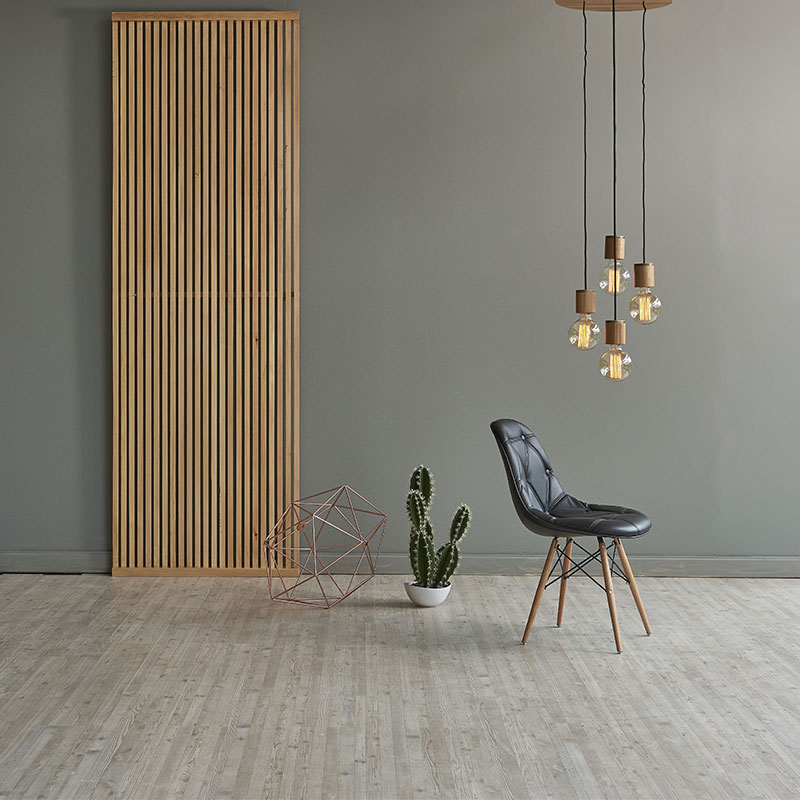


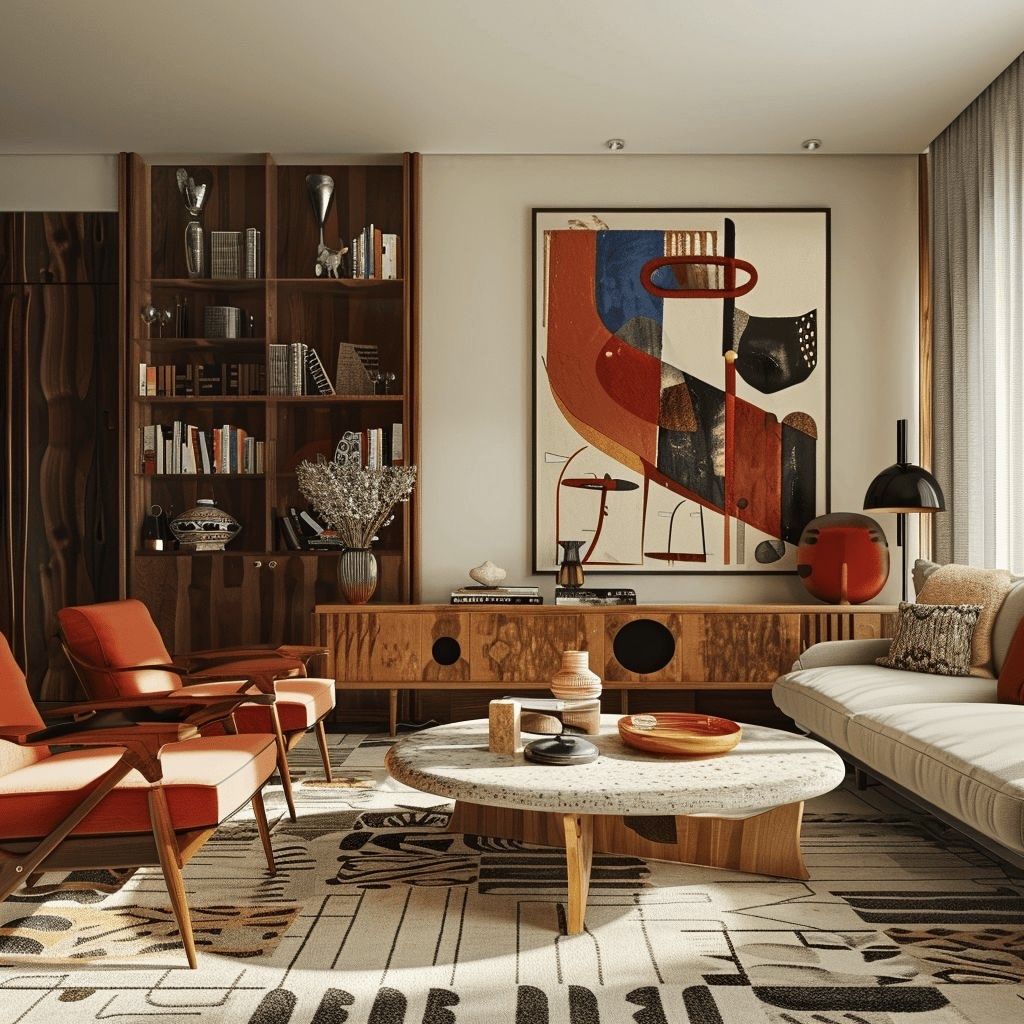
Architecture has always moved between two contrasting approaches: minimalism and maximalism. Each has its own strengths, but in recent years, minimalism, especially warm minimalism, has become a preferred direction for many architects and clients.
Maximalism is expressive by nature. It thrives on bold colors, layered textures, and dramatic compositions. The style celebrates individuality and creativity, often resulting in vibrant and memorable spaces. Yet, without careful balance, maximalist design can feel overwhelming or cluttered, which makes it a challenging choice for long-term relevance.

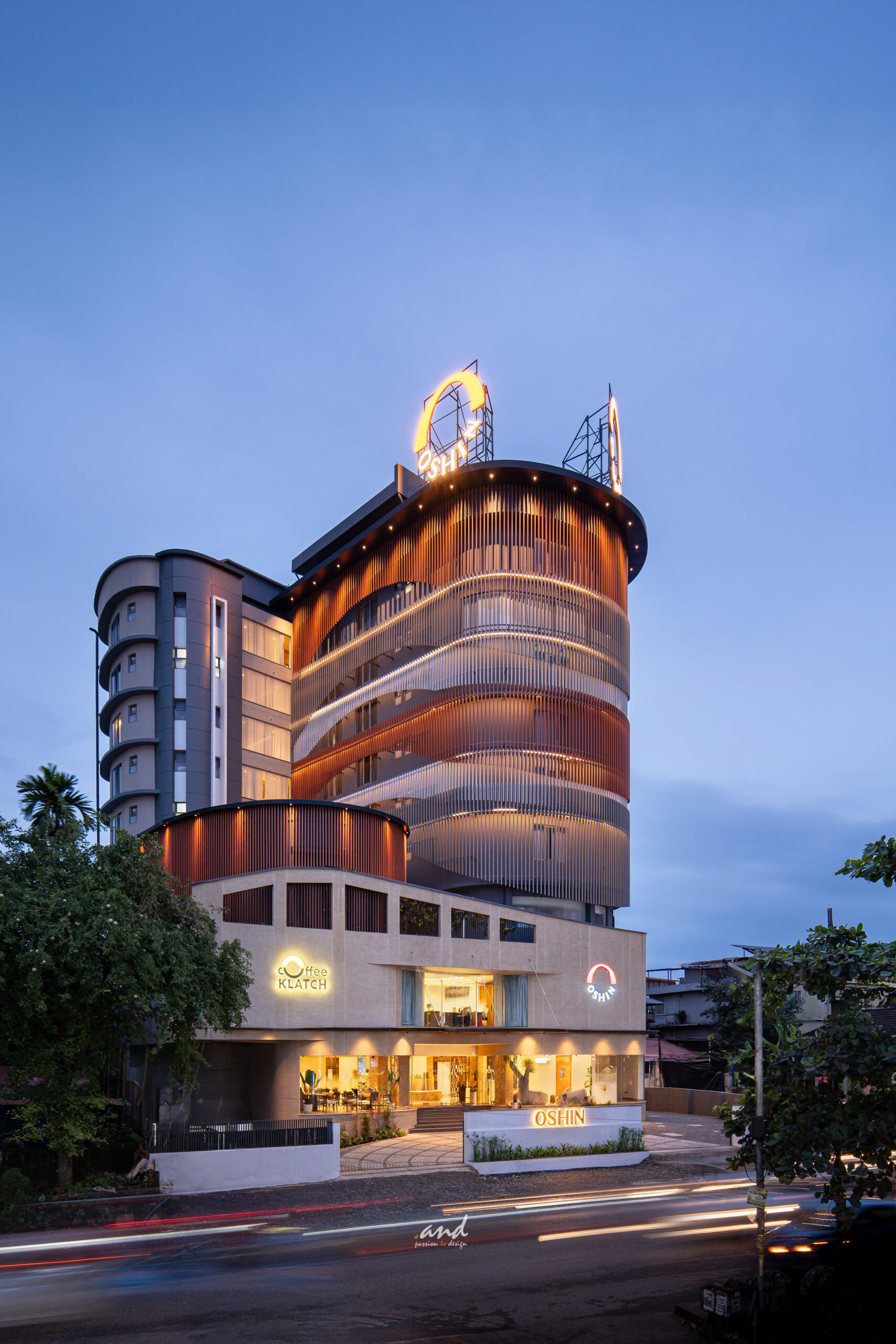
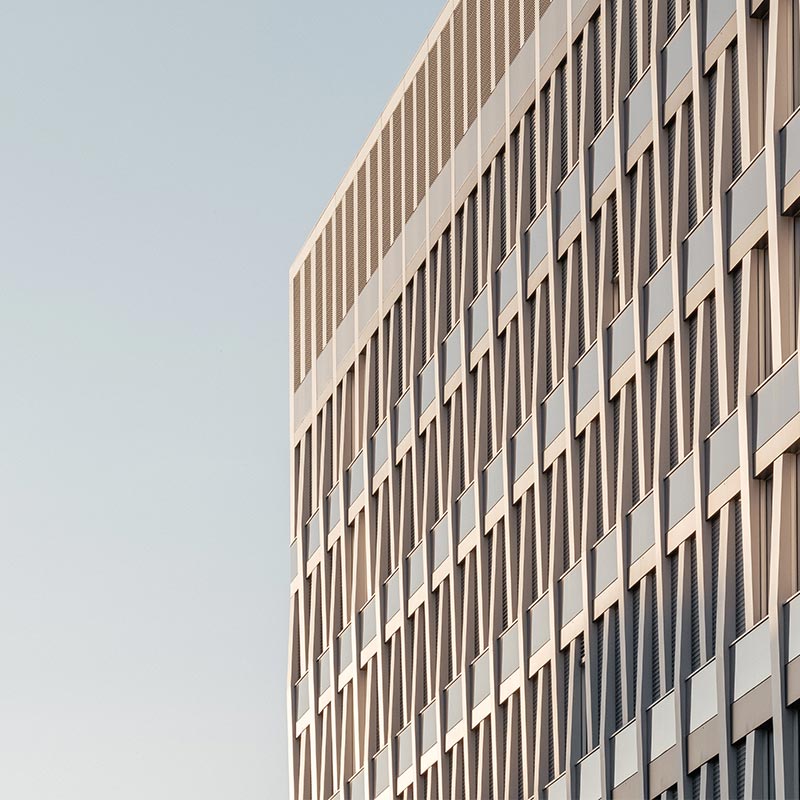
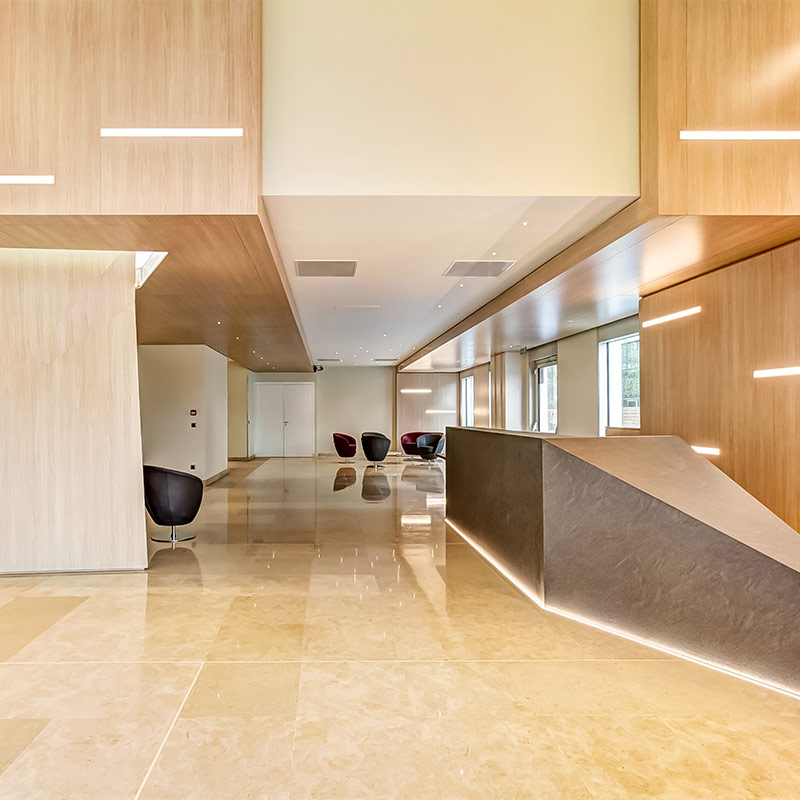
Minimalism, on the other hand, focuses on clarity, function, and intention. With clean lines, open layouts, and a restrained palette, it creates spaces that feel calm, ordered, and timeless. Honest materials like wood, glass, stone, or concrete enhance the architecture’s simplicity while grounding it in nature. Minimalism is not just about “less”, it’s about ensuring that every element has purpose and meaning.
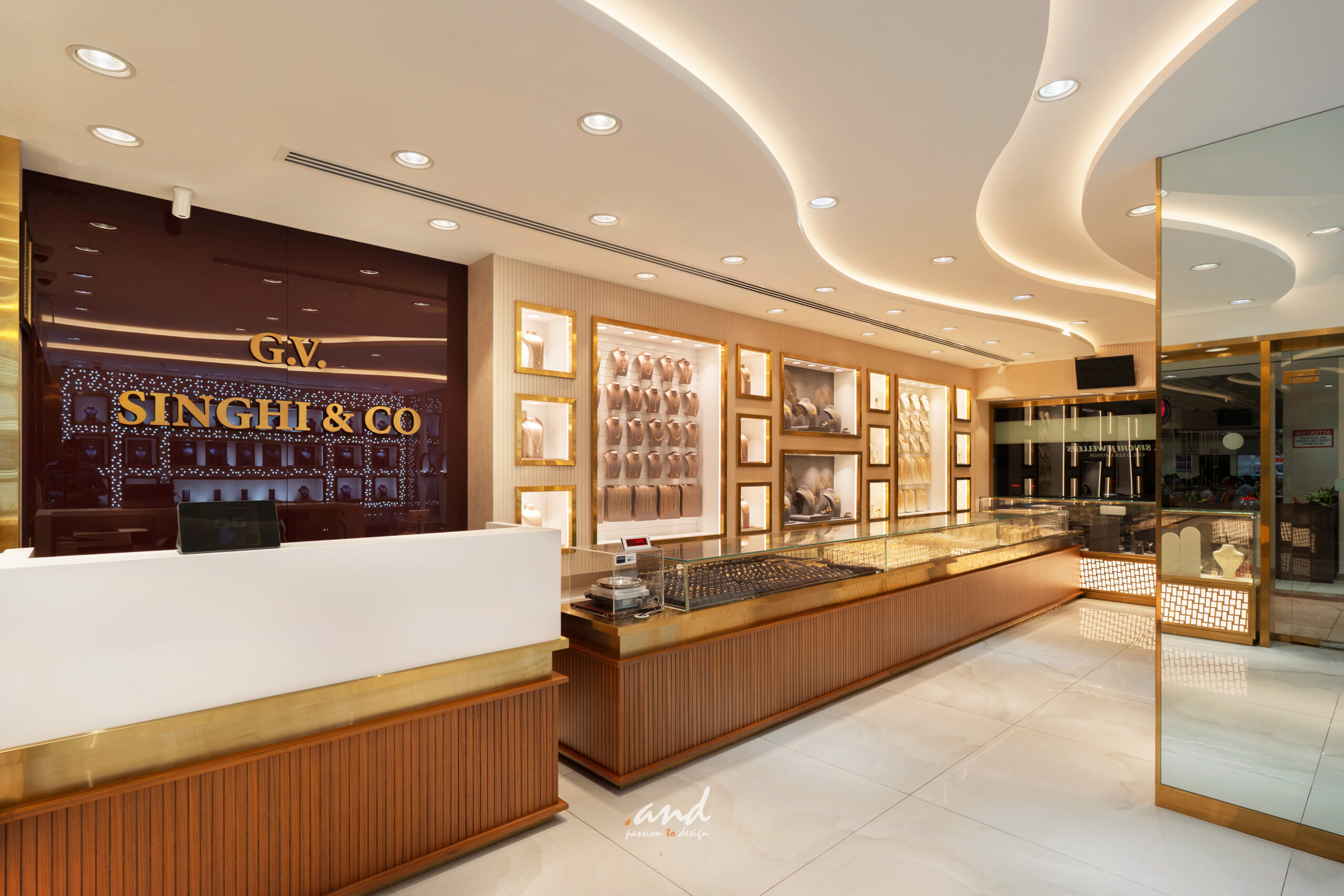
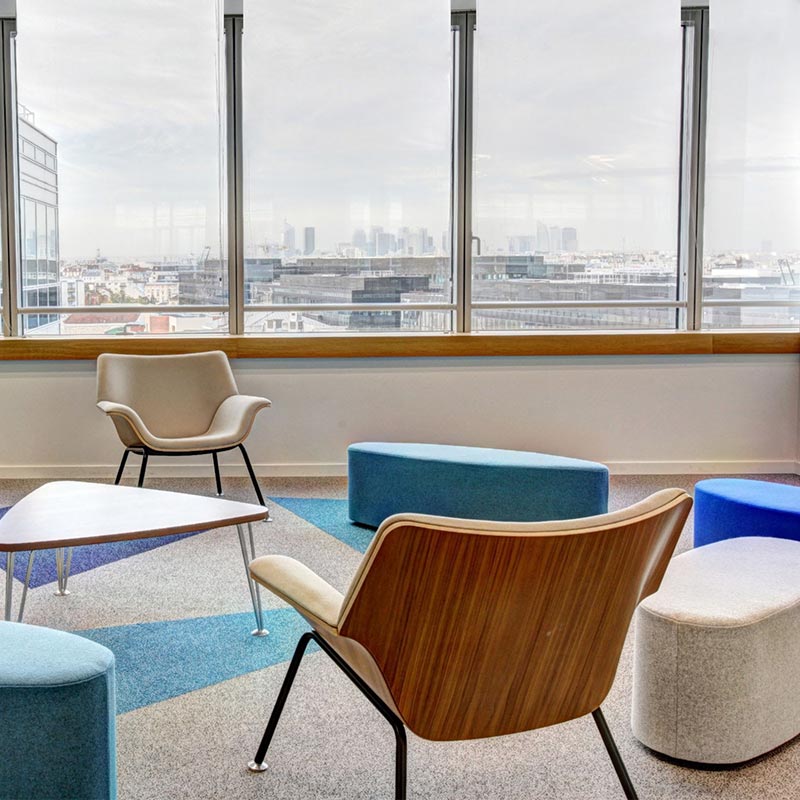
We often work with an approach we call warm minimalism. This style takes the best of minimalism’s restraint and infuses it with comfort, tactility, and a sense of humanity. Natural textures, grounded color palettes, and soft layers add warmth, making spaces feel both serene and inviting. It avoids the sterility of stark minimalism while maintaining clarity and balance.
Warm minimalism also connects strongly with sustainability. By using fewer materials, reducing waste, and opting for timeless finishes, the style supports longevity rather than chasing short-lived trends. It also adapts well to different contexts, whether an urban apartment or a retreat surrounded by nature, because it draws from regional traditions and embraces imperfection in authentic ways.

What excites us most about this direction is how it continues to evolve. Biophilic design, sustainable craft, and material innovation are expanding what minimalism can achieve, without losing its essence of simplicity.
While maximalism energizes with creativity and expression, minimalism offers peace and clarity. In today’s fast-paced world, we find that warm minimalism strikes the right balance: purposeful, welcoming, and timeless. It’s less about extremes and more about living with intention, an approach we believe will continue to define the future of architecture.