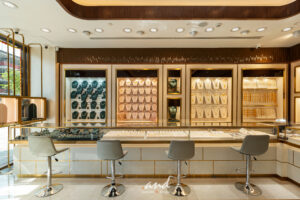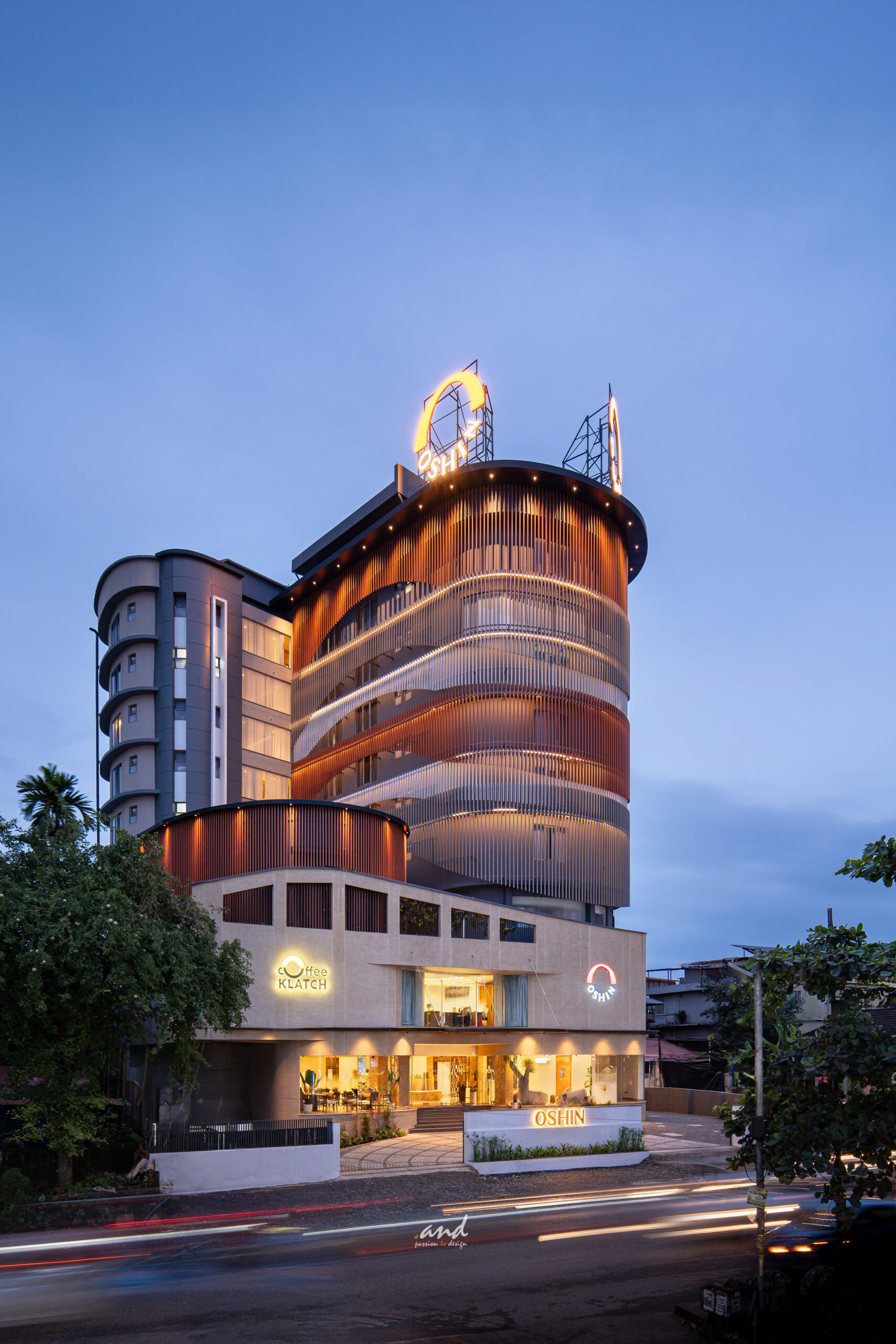


Retail spaces aren’t just about looking good, they need to perform. Unlike homes, where comfort takes the lead, or offices, where function and efficiency matter most, a retail store has one clear job: sell the product and reflect the brand. It’s where architecture meets psychology, marketing, and a little bit of theatre.
When we design a retail store, we’re not just thinking about our client, we’re thinking about their customer. What do they see first? Where do they walk? What makes them stay a little longer, try something out, or head to the billing counter? These are all subtle decisions that start with layout, lighting, and materials, but also dig deep into strategy.
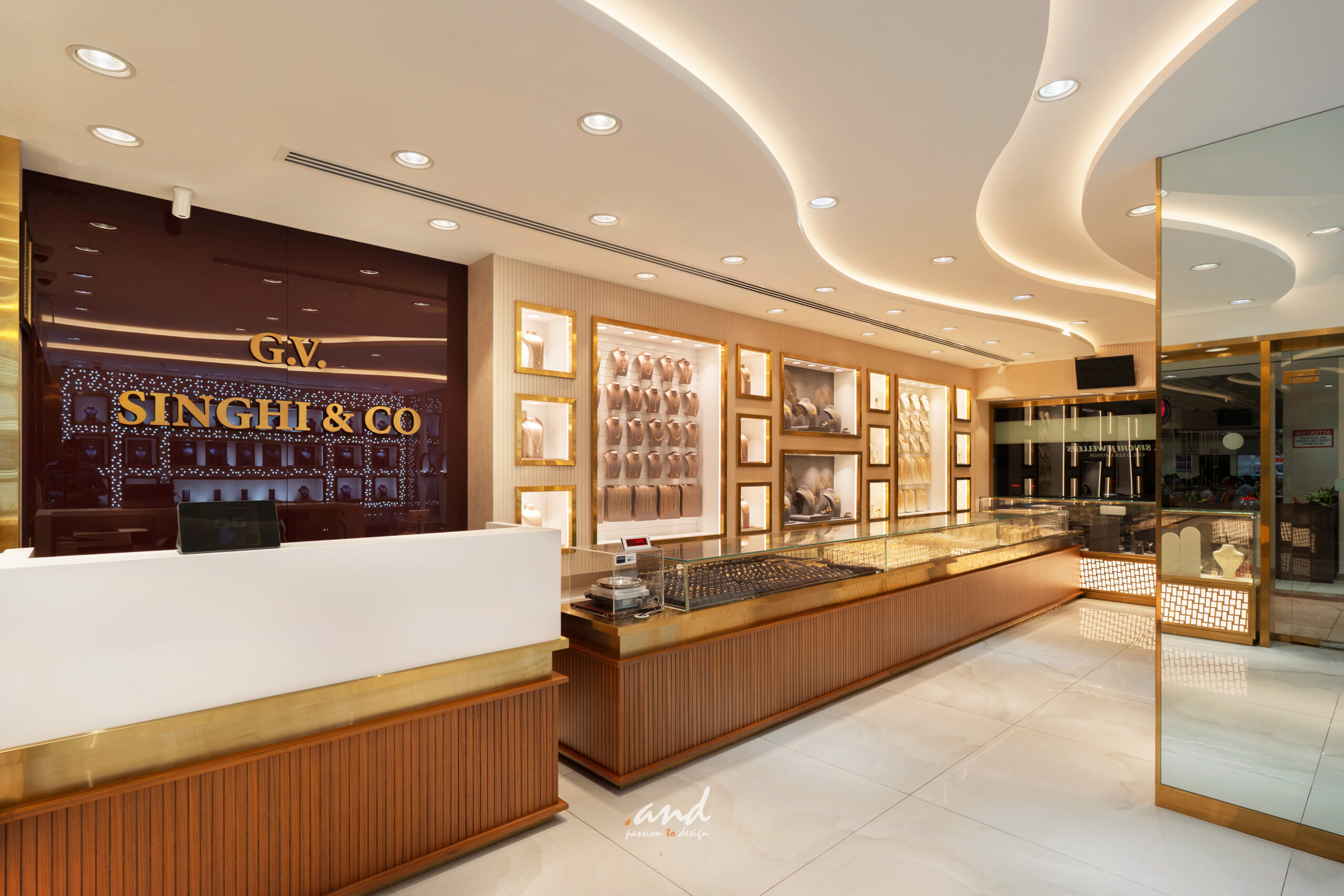
A few things we always keep in mind: the store should tell a clear brand story the moment someone walks in. The layout must guide people smoothly from browsing to buying, without overwhelming them. Lighting plays a big role too, not just in setting the mood, but in highlighting key products. Materials need to be not just beautiful but durable, considering the footfall. And yes, flexibility is key, retail stores often switch things up for seasons, sales, or new arrivals. So the design has to adapt easily.
Behind the scenes matters too, smart storage, easy staff movement, and efficient billing areas make a big difference in daily operations.
In short, retail design is fast, dynamic, and always evolving. It needs to be as smart as it is stylish. We’re grateful to have partnered with clients who trust us to bring this balance to life, transforming spaces into experiences, and design into real results.