

Project Type: Hospitality
Location: Calicut, Kerala
Built-up Area: 54,243 sq.ft.
Year: 2025
Design Team: Shiju, Afsath, Rujineesh, Hafiz

Project Overview
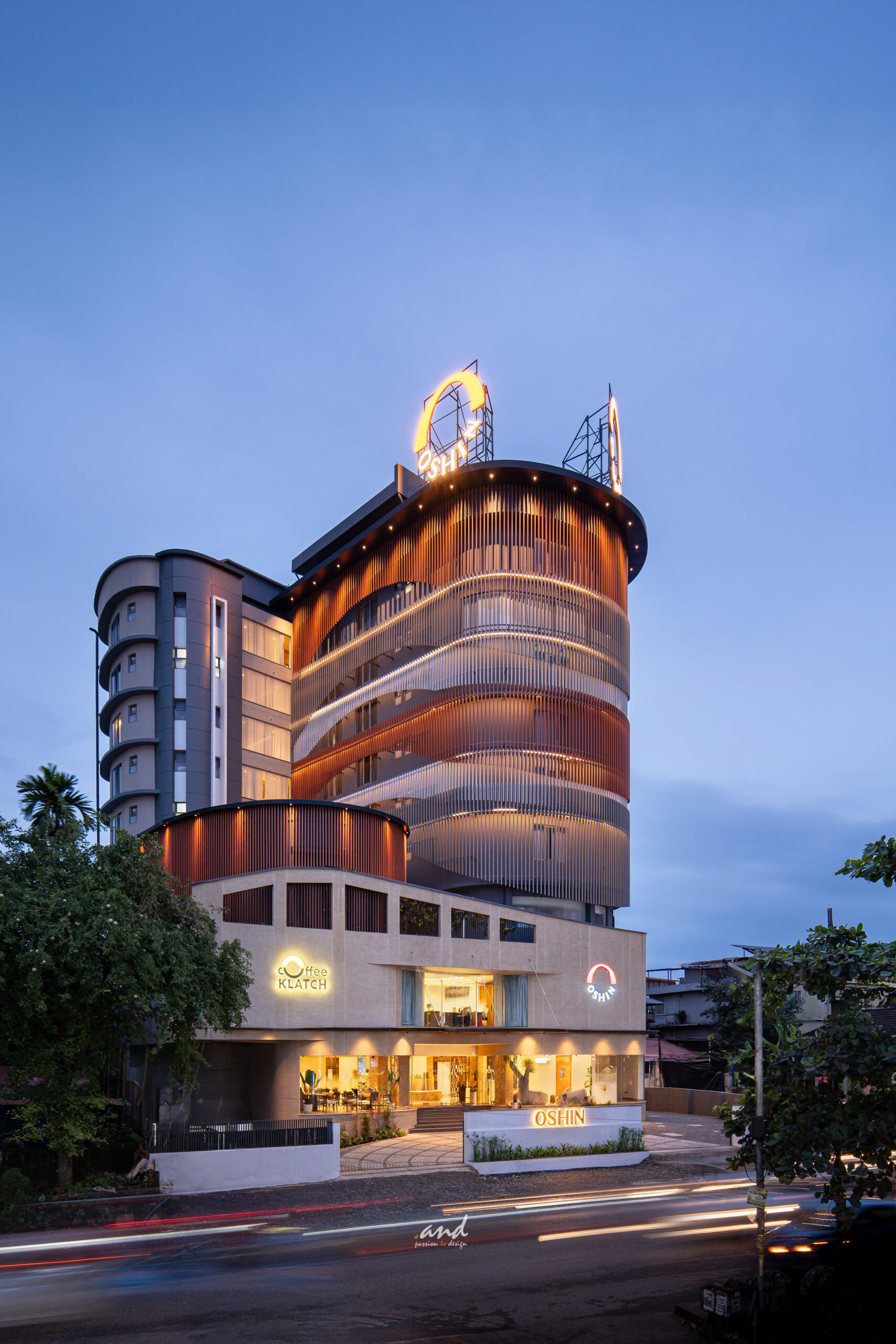
Oshin Hotel is a contemporary hospitality project located within the dense urban fabric of Calicut. The design team envisioned the hotel as a modern urban retreat that responds directly to climate, context, and user experience. Instead of functioning as an isolated object, the building engages the city through movement, material layering, and controlled transparency.
Design Intent
The design team set out to create a hotel that feels calm and grounded while remaining distinctly urban. Rather than relying on rigid geometries, the architecture adopts soft curves that guide movement, modulate light, and reduce the building’s perceived scale. This approach allows the hotel to establish itself as a landmark without overpowering its surroundings.
Throughout the project, the team explored dualities—openness and privacy, solidity and lightness, efficiency and warmth—to ensure that guest comfort and environmental performance remain equally important.
Urban Response and Building Form
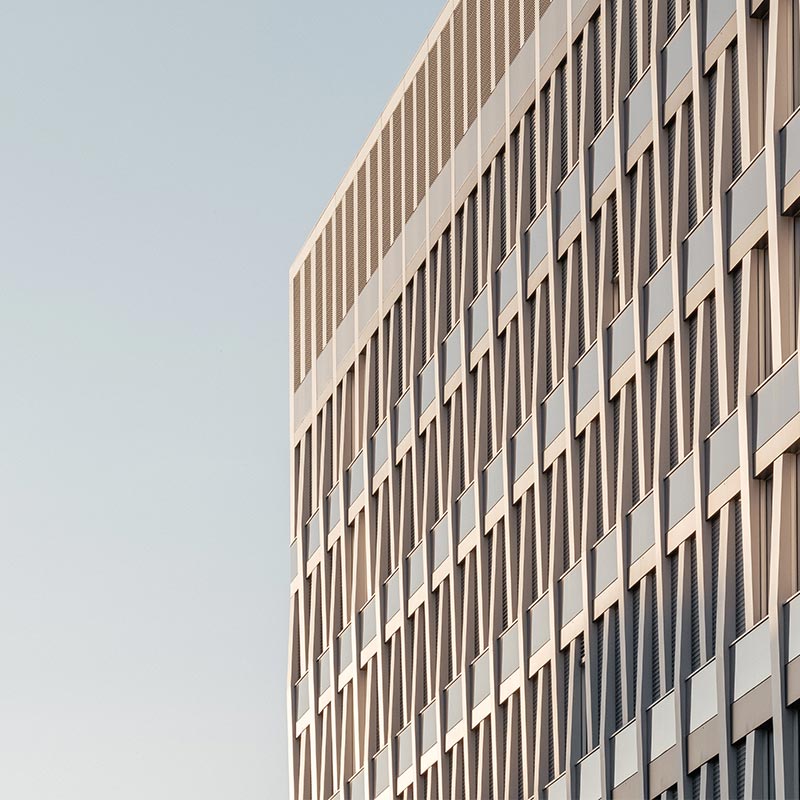
Located along a busy city corridor, the building uses a curved façade to establish a dynamic presence from multiple viewpoints. Vertical metal louvers combined with warm-toned timber slats wrap the structure and create a visually permeable envelope. This layered façade breaks down the building’s mass while responding directly to Calicut’s hot and humid climate.
The curved form does more than shape the building’s appearance. It improves shading, reduces direct heat gain, and enhances airflow around the structure. As daylight shifts through the day, the façade changes in tone and depth, giving the hotel a sense of movement within the static urban environment.
Spatial Experience and Interiors
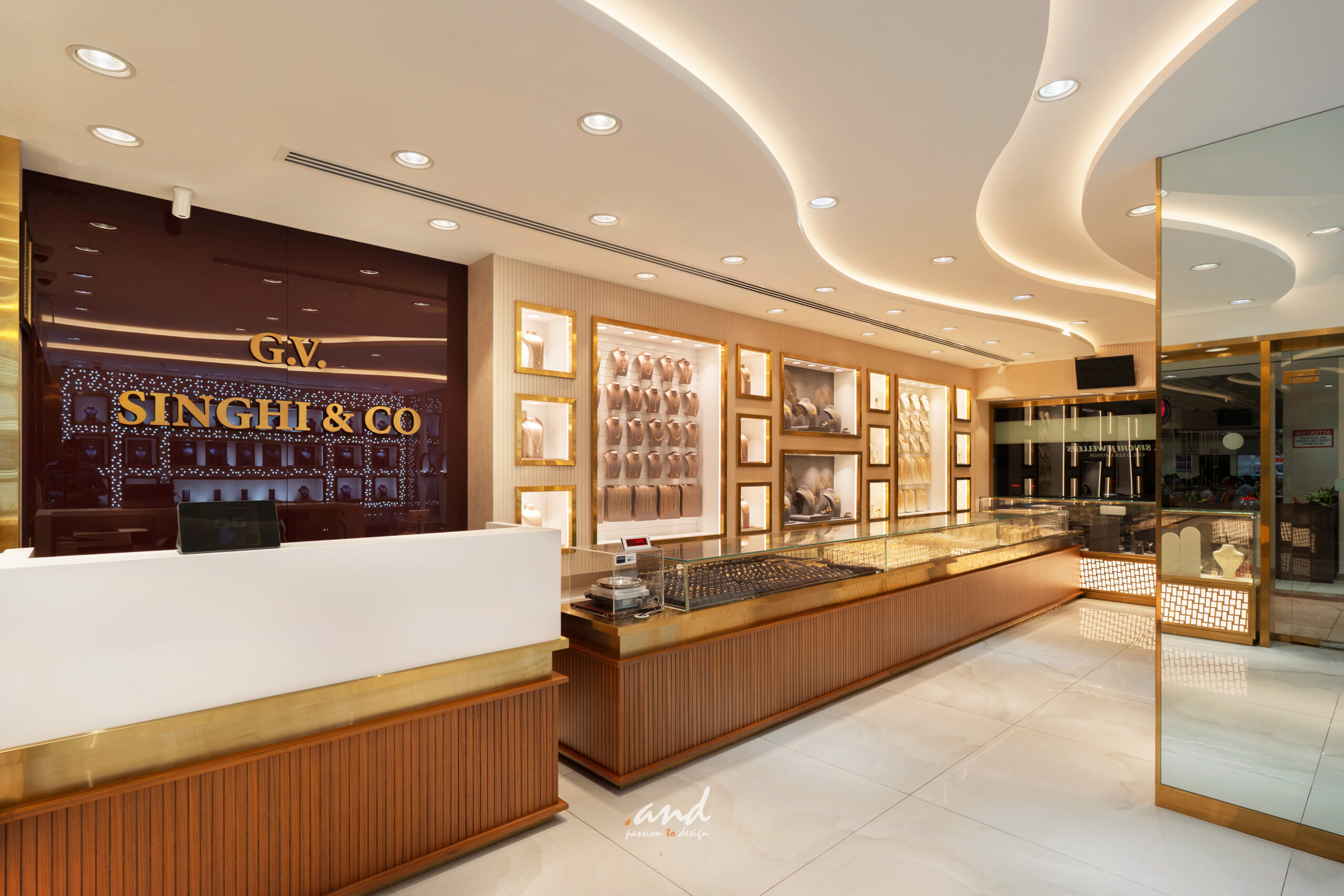
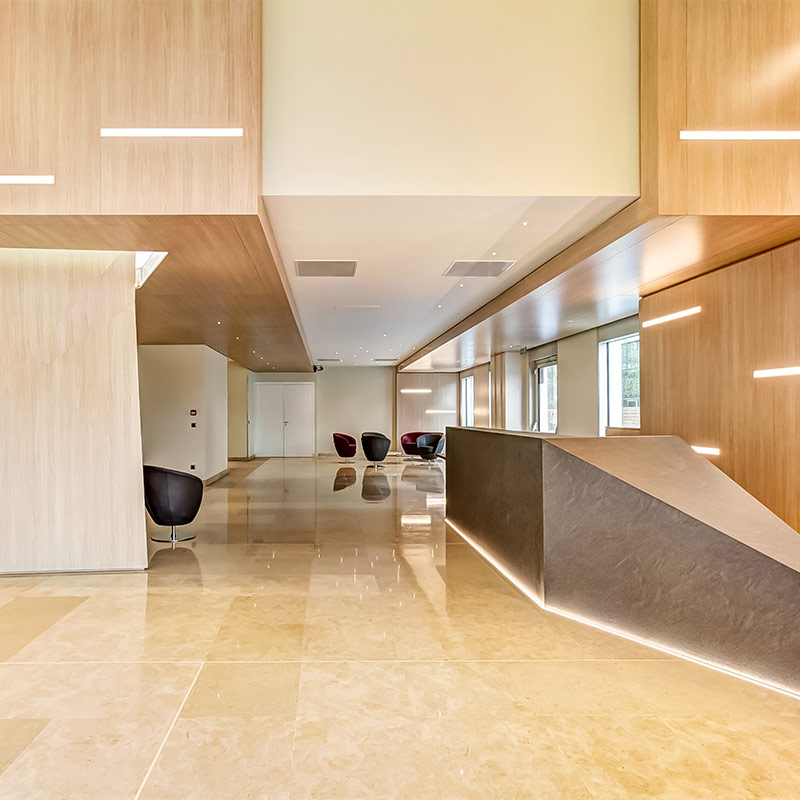
Inside, the design continues the fluid language of the exterior. The lobby functions as a transitional space rather than a rigid threshold. Open planning, layered views, and controlled lighting create an atmosphere that feels welcoming and composed. Curved ceiling elements guide circulation, while a neutral material palette maintains visual calm.
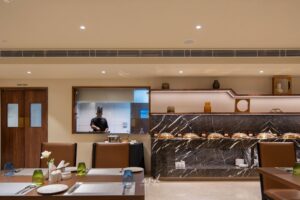
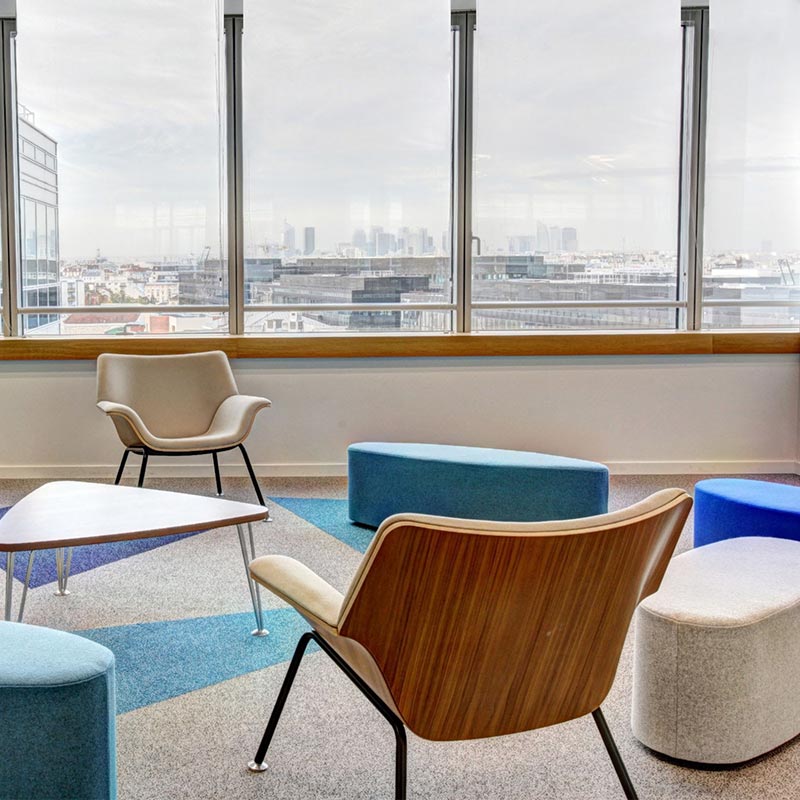
Dining and public areas prioritize clarity and comfort. The layout defines seating zones clearly while allowing easy movement. Restrained material choices and tactile finishes keep the focus on spatial quality rather than decorative excess.
Guest Rooms
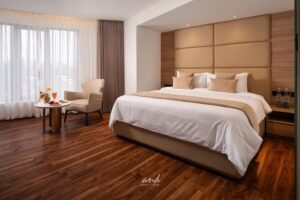
The guest rooms offer a quiet retreat from the surrounding city. Large openings bring in natural light, while the façade system maintains privacy and thermal comfort. Wooden flooring, neutral finishes, and minimalist furniture create a warm and uncluttered environment.
Layered lighting supports different modes of use, from daytime functionality to relaxed evening settings. Each room balances practicality with refinement, ensuring comfort without visual complexity.
Climate and Performance Strategy
Environmental performance plays a central role in the project. The vertical louver system reduces glare and solar heat gain while allowing diffused daylight into interior spaces. This layered building skin improves thermal comfort and lowers dependence on mechanical cooling.
The design team selected materials for durability and ease of maintenance, addressing the demands of a coastal, high-humidity context. Passive strategies work alongside architectural expression, allowing performance and identity to reinforce each other.
Conclusion
Oshin Hotel demonstrates a measured approach to urban hospitality architecture. The project prioritizes experience, climate responsiveness, and long-term relevance through form, material, and spatial clarity.
Rather than relying on spectacle, the hotel establishes its presence through careful detailing and disciplined design decisions. Every curve, material, and lighting choice serves a functional purpose while contributing to the building’s identity. As a result, Oshin Hotel stands as a contemporary landmark shaped by context, climate, and thoughtful architectural intent.