

Editorial Blog by Barun Patro
Architecture today is about much more than just shelter—it’s about experience, sustainability, cultural integration, and technology. Whether you’re an architect designing the built environment or a client planning how you’ll live, work, or invest, understanding these emerging trends gives you a crucial competitive advantage.
Here are five key architectural trends poised to define 2026 and beyond.( Editorial Blog by Barun Patro )
1. Smart, Adaptive Buildings (Responsive Design)
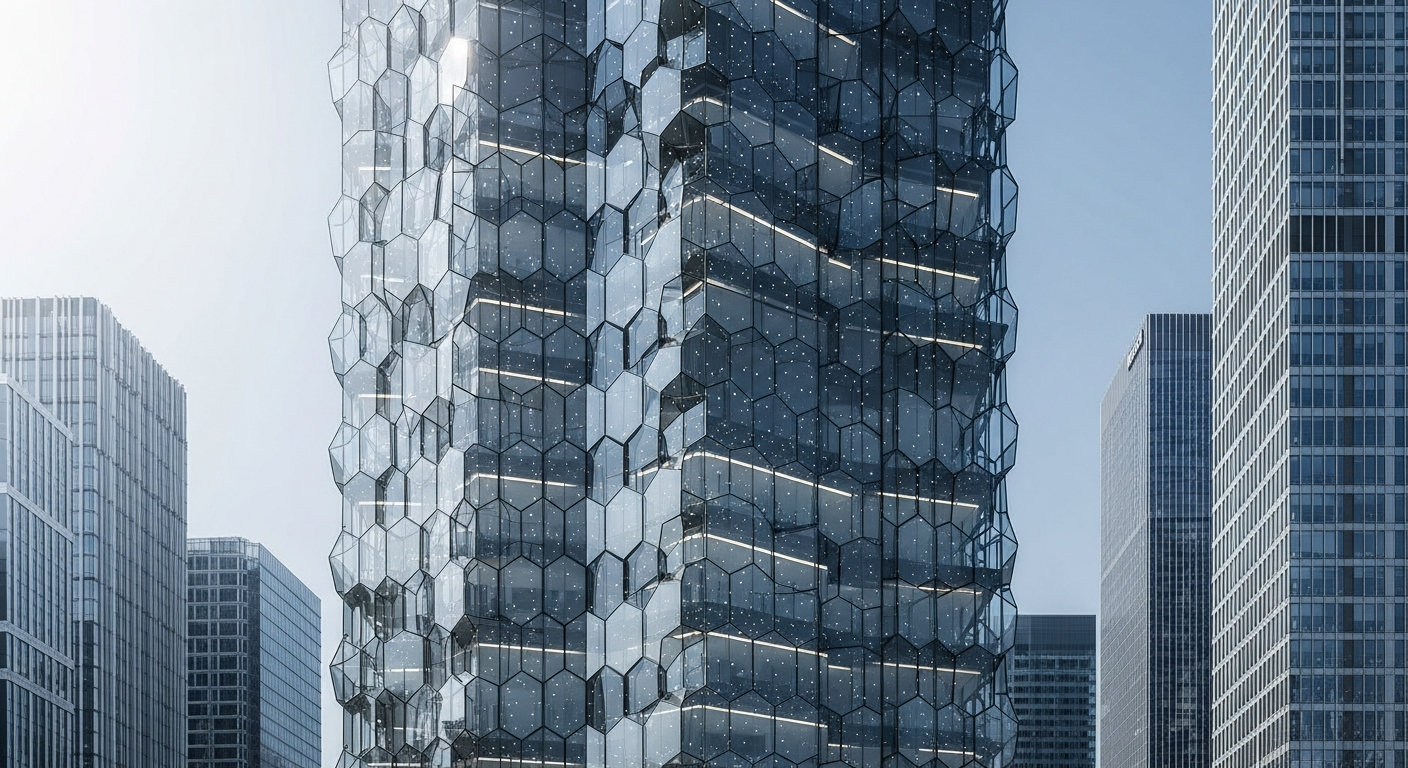
Buildings are making the definitive shift from static structures to dynamic, networked systems. The integration of sensors, building automation, Artificial Intelligence (AI), and Internet of Things (IoT) components is now embedded into the very fabric of architecture. This enables real-time adjustments, from daylight harvesting and climate regulation to adaptive layouts that change based on user needs or occupancy.
 Why this matters:
- For Architects: Design thinking must embrace systems, not just shapes. Projects require planning for how a space performs and responds over its lifetime.
- For Clients: The building becomes a genuine partner, delivering tangible value through healthier indoor air quality, verified energy efficiency, and enhanced personal comfort.
- For Industry Observers and Travelers: This offers a unique live storytelling opportunity. Documenting how a building intelligently “shifts” during a day, a season, or a major event provides compelling visual content.
2. Deep Sustainability and Material Innovation
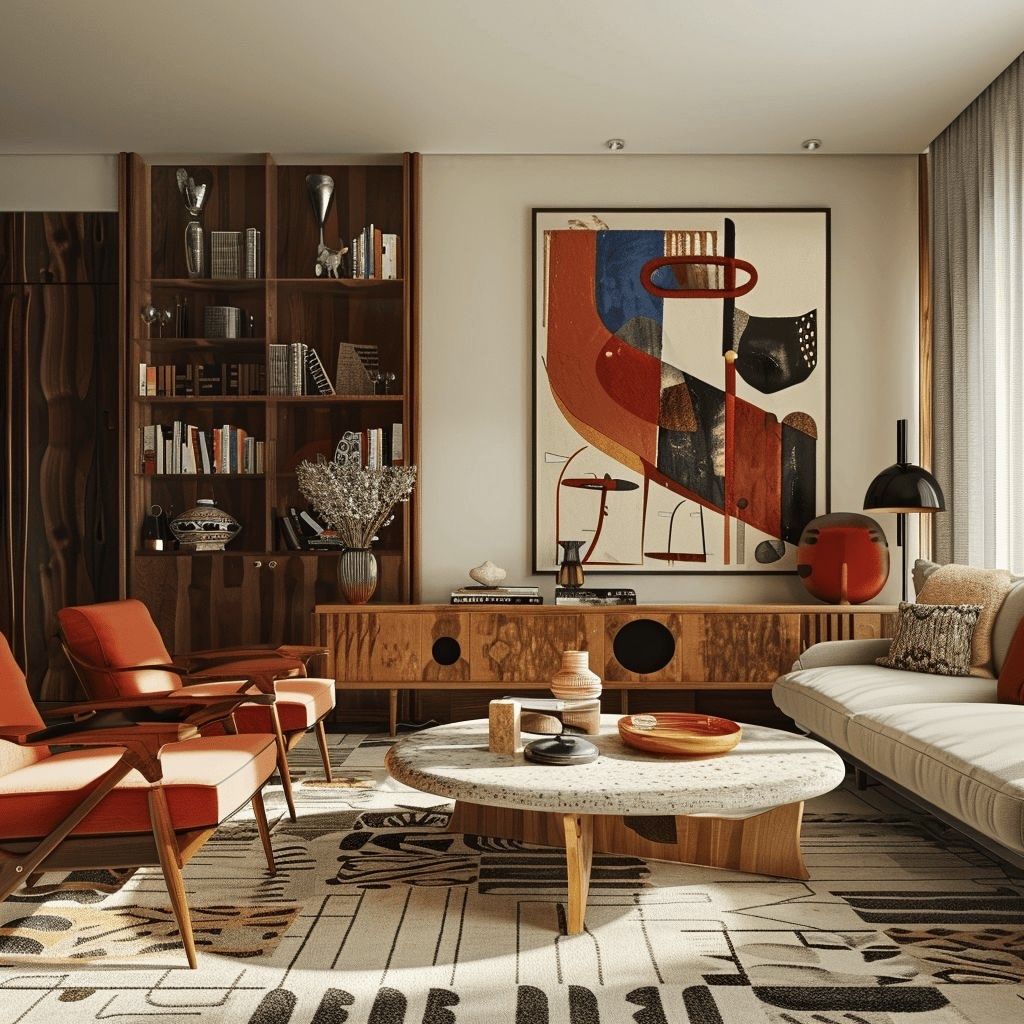
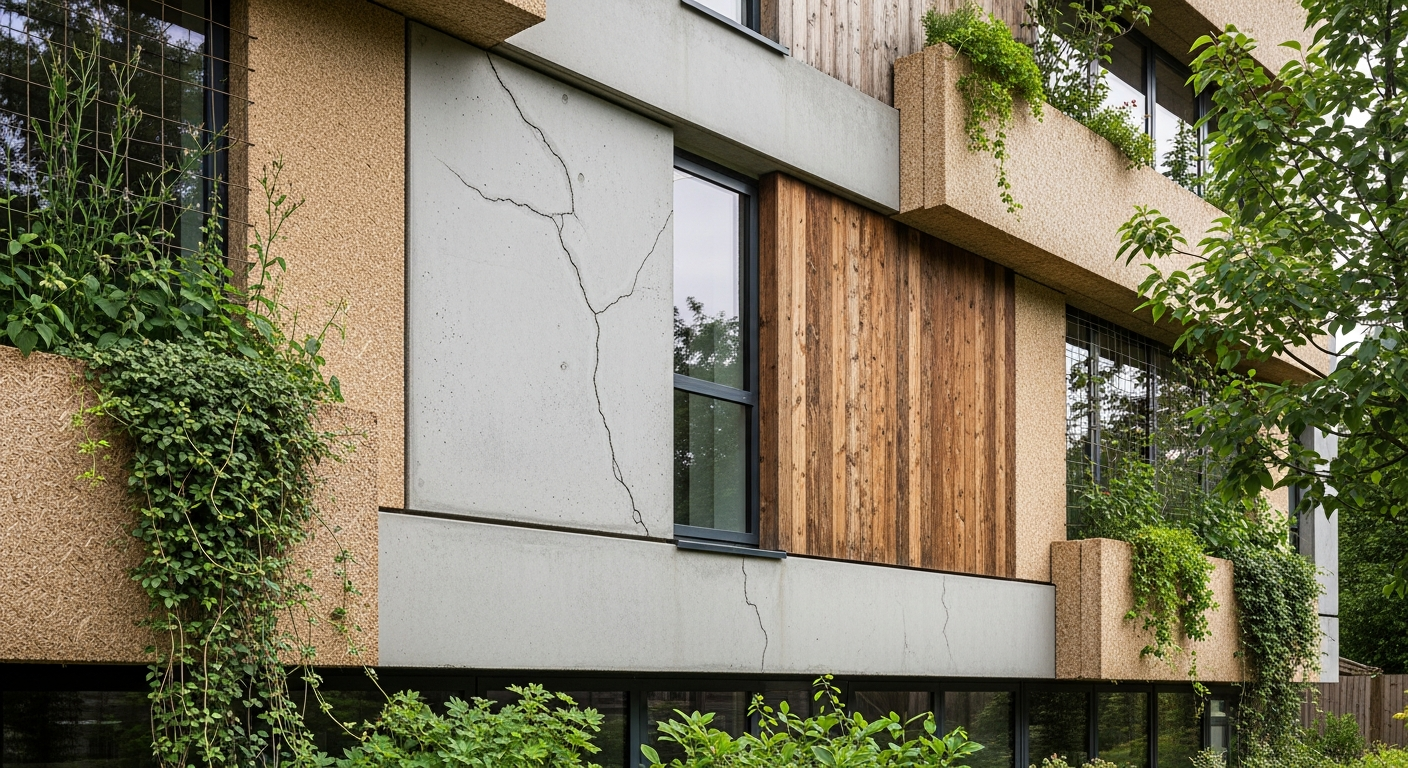
We are fully entering an era where sustainability is not an optional feature, but a foundational design principle. This movement extends beyond simple energy efficiency to focus on deep material impact: responsible sourcing, low-embodied energy, circularity (designing for reuse and repurpose), and full lifecycle thinking. Expect to see widespread adoption of self-healing concrete, bio-composites, responsibly reclaimed wood, and highly localized ecological materials.
 Why this matters:
- For Architects: You must consider the entire lifecycle—from the material’s origin to the building’s eventual decommissioning or transformation.
- For Clients: Green credentials are an increasing expectation. Focus on meaningful material narratives that translate to a significantly lower carbon footprint and higher long-term value.
- For Industry Observers and Travelers: Highlight the “story of materials”—showcasing the origin, the craft, and the environmental benefit behind material choices in design.
3. Biophilic and Human-Centred Design (Wellness Architecture)
Humans have an intrinsic need for connection to nature, even in dense urban areas. The biophilic design trend emphasizes elements that promote occupant wellness: maximizing natural daylight, incorporating abundant indoor and vertical greenery, using natural materials and textures, and designing flexible, human-scaled spaces.
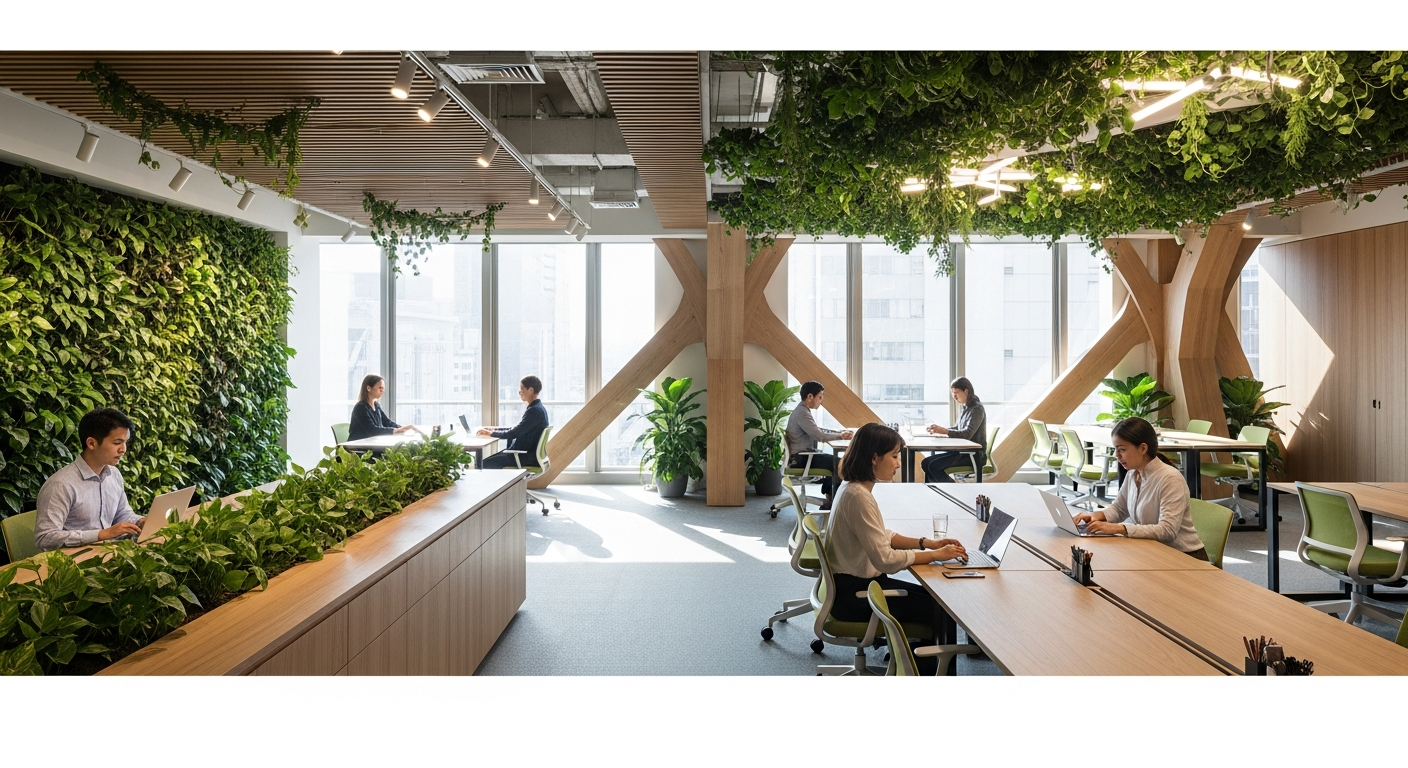 Why this matters:
- For Architects: This is a call to design beyond function and aesthetics, prioritizing the user’s emotional response, habitability, and overall well-being.
- For Clients: Living or working in a space that feels alive, connected, and natural has measurable value, boosting productivity, satisfaction, and tenant retention.
- For Industry Observers and Travelers: Focus documentation on the sensory experience. Show how a building feels—the quality of light, the integration of plants, and the tactile nature of its surfaces.
4. Modular, Prefabricated, and Flexible Construction
The drivers here are clear: speed, cost-efficiency, and adaptability. Modular construction, advanced prefabrication techniques, and layouts designed for change are gaining significant traction. This involves designing for convertible rooms, enabling mixed-use functionality, and even utilizing relocatable modules. The goal is a built environment designed for transformation rather than fixed purpose.
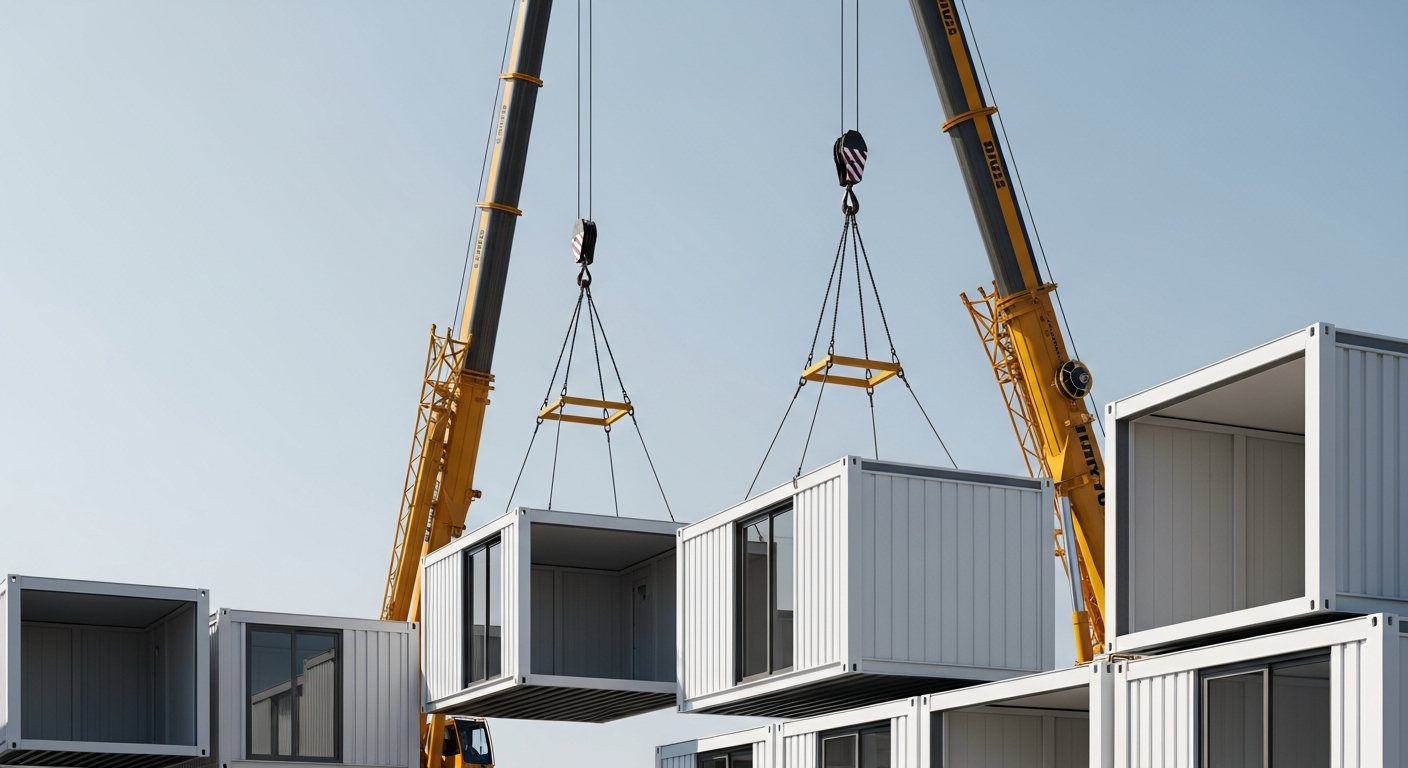 Why this matters:
- For Architects: Design frameworks must anticipate change. Modular systems require smart integration with the site, ensuring craftsmanship and aesthetic quality are not compromised.
- For Clients: Benefits include faster delivery timelines, predictable cost savings, and built-in flexibility (e.g., converting a commercial space, adding a guest suite, or integrating a home-office).
- For Industry Observers and Travelers: A behind-the-scenes look at the precision of factory assembly or a rapid on-site conversion provides a powerful, engaging visual narrative.
5. Heritage Meets Future (Contextual Modernism)
As technology accelerates, there is a rediscovery of the value of place, tradition, and local identity. This trend deftly blends vernacular techniques, local material palettes, and historic contexts with crisp, contemporary design. The result is architecture with deeper meaning, authenticity, and regional richness.
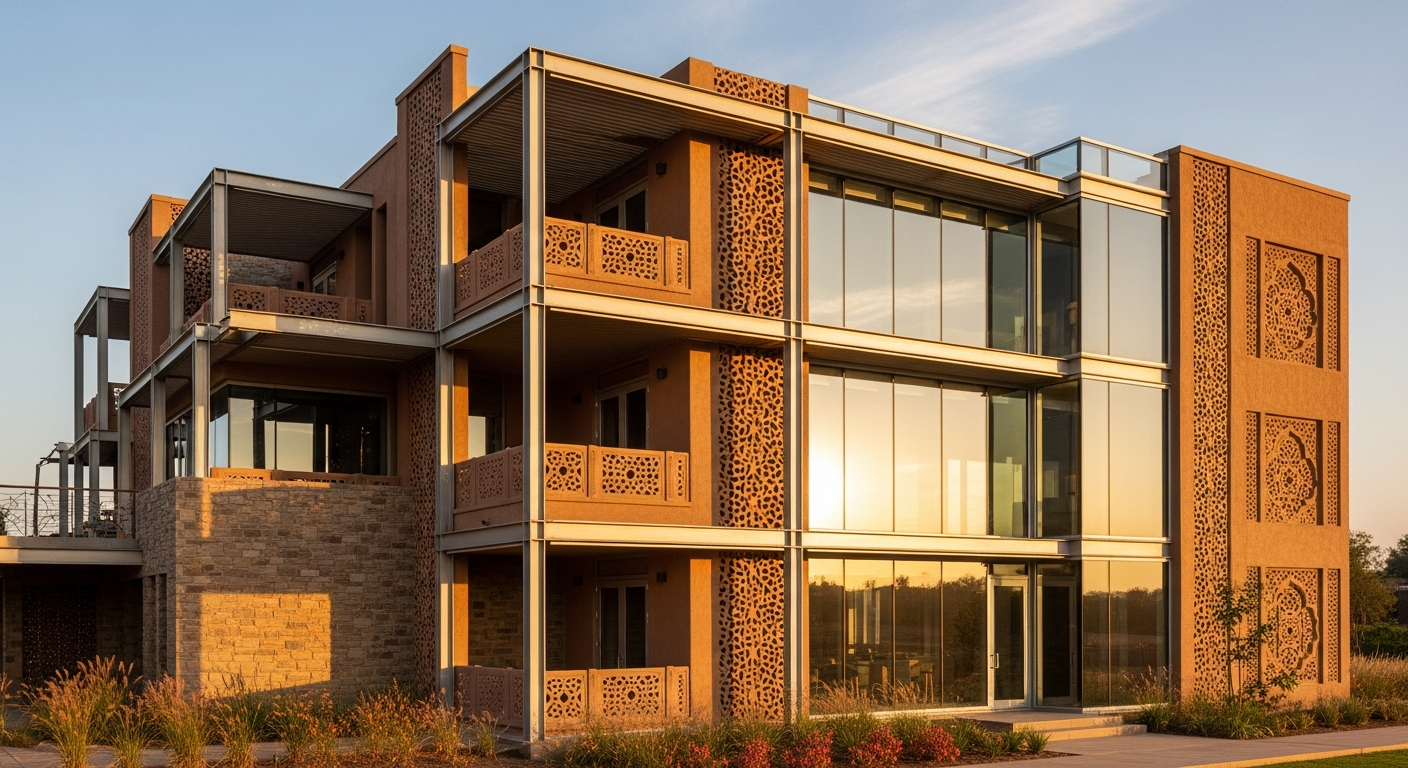
Why this matters:
- For Architects: Design is not disconnected from its environment. It requires deep respect for local climate, traditional craft, materials, and existing built heritage.
- For Clients: Spaces that are rooted in their region, story, and identity feel more meaningful, authentic, and ultimately timeless.
- For Industry Observers and Travelers: This provides a clear framework for observation: explore how local architecture is evolving, from traditional motifs to thoughtful modern reinterpretations.
Final Thoughts and Action Plan
The pressures of resource scarcity and climate change make business-as-usual architecture unsustainable. Simultaneously, the digital revolution is fully integrated into how spaces perform. People no longer want merely beautiful buildings; they demand meaningful, comfortable, and responsive environments.
For Architects:
- Audit Your Next Project: Assess how smart the building systems are, how adaptive the layout is, and what the true lifecycle impact of the materials will be.
- Engage with Context: Actively collaborate with local craftspeople and study regional heritage to integrate design with place.
- Communicate Value: Engage clients early with visual narratives that showcase how the building will adapt to their future needs and global demands.
For Clients and Developers:
- Ask Critical Questions: Inquire about the building’s responsiveness to changing needs over time, the full environmental impact of the materials, and how the architecture relates to its specific climate and location.
- Prioritize Flexibility: Look for value that extends beyond initial aesthetics, such as long-term flexibility in use and adaptability of spaces.
For Industry Professionals & Observers:
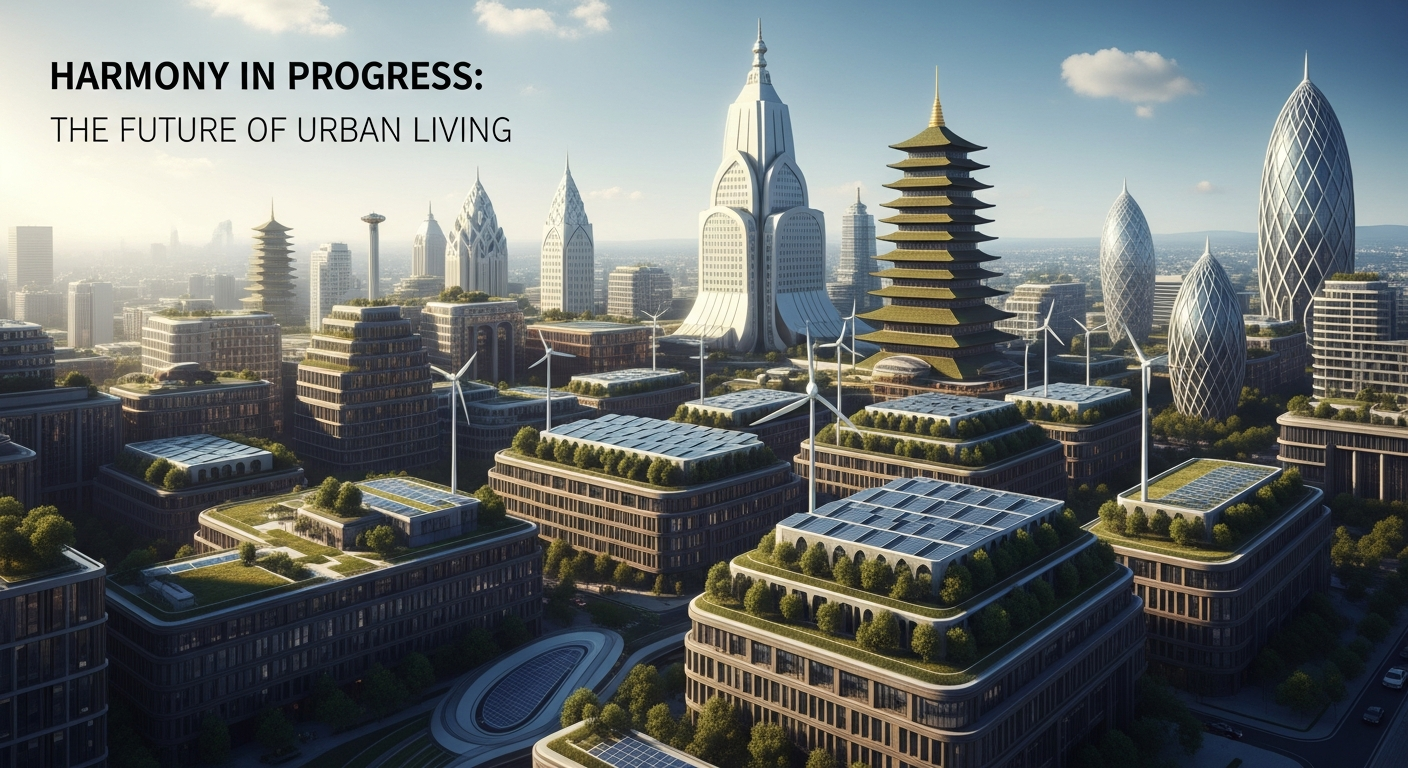
- Use Trends as Frameworks: Analyze buildings using these trends as lenses (e.g., “This is a great example of Biophilic Design in an office tower”).
- Focus on Process: Combine visuals (photos/video) with narrative (explaining why it matters and how it works) to communicate the complexity and innovation of modern architecture.
Architecture in 2026 is not just about shape and space it’s about systems, materials, people, and place. Recognizing these trends helps everyone whether creator, client, or analyst engage deeper and design smarter.